
Marketing for Marine & Boating Businesses
Marine services is a vertical almost no marketing agency writes about, because in most of the country it barely exists — and in a county surrounded on three sides by water it is an entire economy.


Does the maths work?
Boatyards, engine mechanics, detailers, canvas and upholstery shops, haul-out facilities, charter operators and brokers all serve a customer base that national marketing templates have nothing to say about. The advice written for home services does not transfer: the asset is mobile, the customer may not live locally, the work is highly seasonal, and the decision is frequently made on reputation circulating inside a community rather than on search results.
That last point is the one most often missed. Marine work runs on word of mouth to an unusual degree — dock talk, owners' groups, marina noticeboards — which leads many operators to conclude that search does not matter. What actually happens is that search confirms a recommendation. Someone hears a name at the dock and then looks it up, and what they find at that moment decides whether the referral converts.
- Typical job value: Routine service is modest; repowering, major refit and hurricane haul-out packages are substantial, and storage is recurring revenue.
- Paid competition in marine categories is light compared with home services, because few operators advertise — which makes both paid and organic visibility unusually cheap to obtain.
- With low competition for the queries and a customer base that returns annually for predictable maintenance, the acquisition maths in this category is more forgiving than in almost any other vertical here.
What your customers actually type
These are the queries your buyers use, and why each one behaves differently here than the national advice assumes.
“boat repair near me”
The general query, though in this category proximity means proximity to the water rather than to the searcher, which most local optimisation handles badly.
“outboard motor service st petersburg”
Brand and engine-type specificity matters enormously here — owners search by manufacturer, and a shop certified for a brand should say so explicitly.
“boat bottom painting cost”
Planned maintenance with a predictable cycle, researched on price and turnaround. Publishing a range is unusual enough in this trade to be a differentiator.
“boat storage hurricane season”
Sharply seasonal and genuinely local. Haul-out and storage capacity becomes the most-searched thing in the category as soon as a system is named.
“marine surveyor pinellas county”
Transaction-driven, tied to purchases and insurance renewals, and served by a small enough set of providers that visibility is unusually achievable.
“fishing charter st pete”
Visitor-driven, booked in advance from out of state, and decided almost entirely on photographs and recent reviews.
What this looks like in Tampa Bay
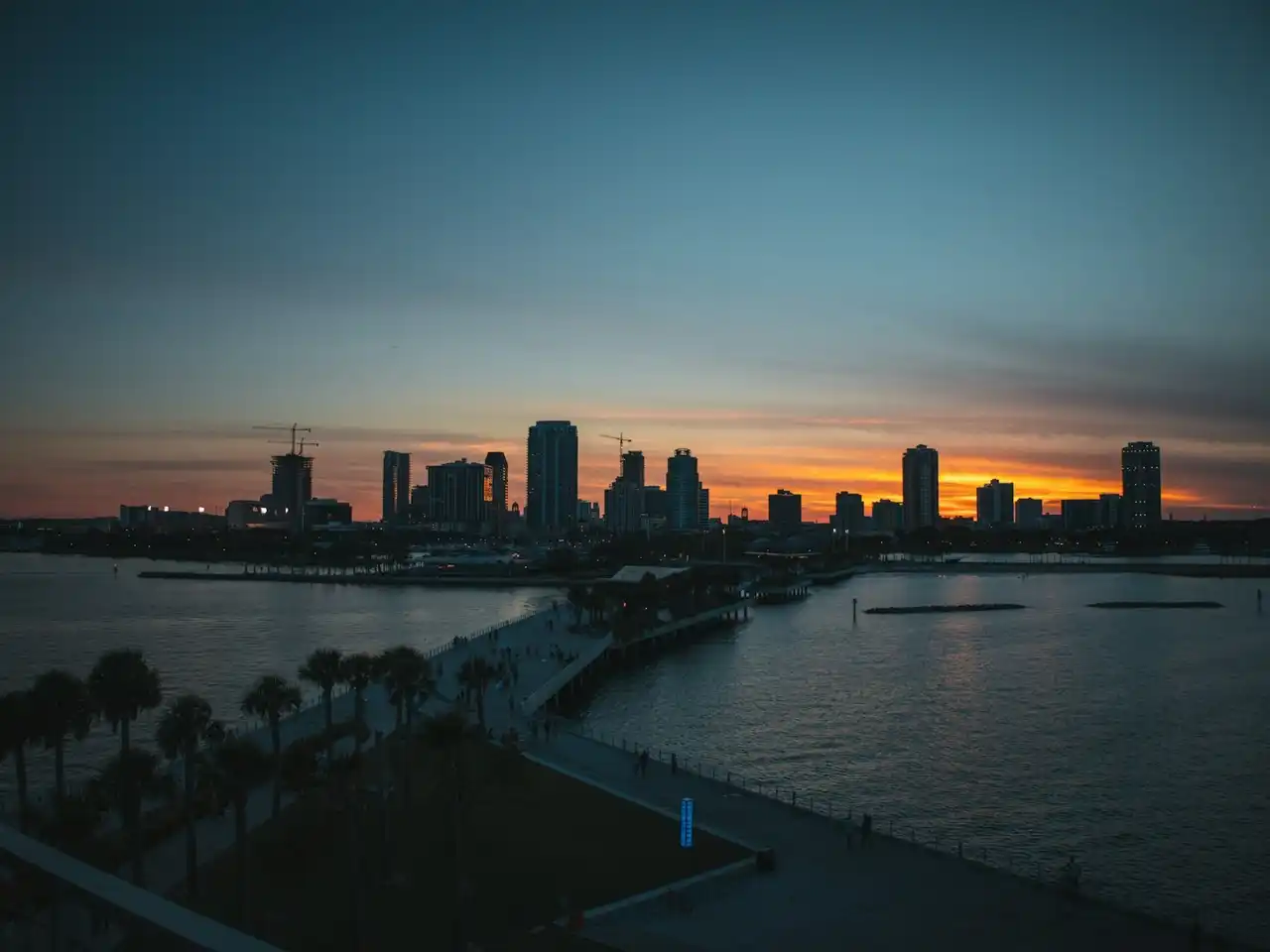
Marine and waterfront trades are one of the defining industries of this area in a way they simply are not in most of the country, and the demand has a rhythm that follows the water rather than the calendar.
Hurricane season reshapes the whole category — haul-out and storage capacity becomes the scarcest resource in the county as soon as a storm is named, and the businesses that captured those bookings did so through relationships and visibility established months earlier. Beyond the storm cycle, a substantial part of the customer base is seasonal or non-resident, owning a vessel here while living elsewhere, which means a meaningful share of enquiries arrive from people who cannot simply drive over and look at the yard.
What usually goes wrong in this vertical
Each of these is a structural mistake that keeps producing activity without producing work.
A referral that dies at the search
Most marine work starts as a name heard at the dock. If searching that name produces a dead Facebook page and no reviews, the referral does not convert — which looks like word of mouth failing when it is actually search failing.
Nothing for the owner who lives elsewhere
A significant share of customers keep a boat here and live in another state. They cannot inspect the yard, so photographs, clear pricing and visible process are doing work that an in-person visit would otherwise do.
Certifications and brands left unstated
Owners search by engine manufacturer and look for authorised service. A shop certified for specific brands that does not name them is invisible for the exact searches it should own.
The services this vertical usually needs
In the order we would normally run them, starting with whatever is holding you back most.
Local SEO services
Rank in the map pack and win the "near me" searches that turn into calls the same day.
SEO for small businesses
Structure, content and internal linking rebuilt so your pages stop competing with each other and start ranking.
Website design
Sites designed around the search architecture and conversion path first, then made beautiful.
Results we can show you
Taken from the client’s own data, never estimated.
A jewelry store went from 4 to 77 calls a month from Google
A new site plus Google Business Profile work. The calls are taps on the phone number in their Google listing, the same month a year apart.
Read the jewelry store case study Performance report
calls from Google in July 2026
the calls of July 2025
in Google Maps for 4 core searches
from 55 Google reviews
Source: the client’s Google Business Profile performance report.
Frequently asked questions
Our work comes from word of mouth. Does search actually matter for a marine business?
It matters precisely because the work comes from word of mouth, which is the part most operators have backwards. A referral in this community usually arrives as a name rather than a phone number — someone hears at the dock that a particular yard does good work, and then they search that name. What they find at that moment either confirms the recommendation or quietly undoes it. A business with an abandoned social page, no reviews and no website is asking a prospective customer to act on a referral with nothing to corroborate it, and a meaningful share of them will simply search the general term instead and find a competitor. Search in this category is less about discovery than about not losing the referrals you have already earned.
How do we market to owners who keep a boat here but live somewhere else?
By replacing the yard visit they cannot make with evidence they can evaluate remotely. An owner in another state deciding who should haul their boat cannot walk the property, meet the crew or judge the operation in person, so photographs of the actual facility, named staff, clear descriptions of process and honest pricing are carrying that entire weight. Two things matter beyond the website: responsiveness by email and text rather than phone, because time zones and work schedules make calls awkward, and proactive updates with photographs during a job. An absentee owner who receives progress photographs without asking becomes a customer for as long as they keep the vessel here, which in this category can be many years.
How should hurricane season be handled commercially?
As the most important planning window of the year rather than as an emergency. Haul-out and storage capacity is the scarcest resource in the county once a system is named, and the bookings are effectively decided before that — by owners who already knew where they were going. That makes the months before the season the time to publish clear information about capacity, pricing, what your storm plan actually is and how booking works, and to contact existing customers directly rather than waiting for them to call. It is also worth being explicit about what you do not offer, because an owner who discovers at short notice that your arrangement does not cover their situation will remember it for years.
Is it worth listing engine brands and certifications specifically?
Yes, and it is one of the clearest wins available in this category. Boat owners search by manufacturer because engines are brand-specific in a way most equipment is not, and an owner looking for authorised service for their particular engine is running a very narrow search. A shop that holds those certifications and does not name them is invisible for exactly the queries it should dominate, while a shop that names each brand it services, states what its certification covers and is honest about what it does not handle will appear for searches its competitors never see. The same logic applies to vessel types and sizes, since haul-out capacity and travel lift limits genuinely determine whether you can take the job.
What does the seasonal pattern mean for how we spend on marketing?
That an even monthly budget is the wrong default, as it is for the storm-driven trades, but on a different rhythm. Demand here follows boating activity and the storm calendar rather than a retail year, which means there are periods when the searches genuinely are not happening and periods when capacity is the constraint rather than demand. The useful approach is to concentrate acquisition effort ahead of the seasons when decisions are made — before storm season for storage, before the active season for service and refit work — and to use the quiet periods for the content and profile work that takes time to have any effect. Spending hardest when you are already at capacity is a common and expensive error in this category.
Similar industries
Make the referral survive the search
We will look at what someone finds when they search your name after hearing it at the dock, and whether it confirms the recommendation or quietly loses it.