Paid Media · Florida
Google Ads in Florida
Search campaigns optimised toward qualified leads and revenue, not clicks and impression share.
Why this looks different in Florida
The most expensive mistake in Florida Google Ads is running one statewide campaign. Cost per click for equivalent intent can differ by more than double between Miami and Jacksonville, and the demand seasons do not align — so a single budget with one bid strategy systematically buys the cheapest, least valuable traffic available while getting outbid where the good traffic is.
Two Florida-specific structures matter beyond that. A storm reserve for weather-adjacent categories, deployable within a day rather than through an approval cycle, because demand arrives in days. And Spanish-language campaigns in South Florida, which frequently deliver a lower cost per qualified lead than their English equivalents because competition is genuinely thinner.
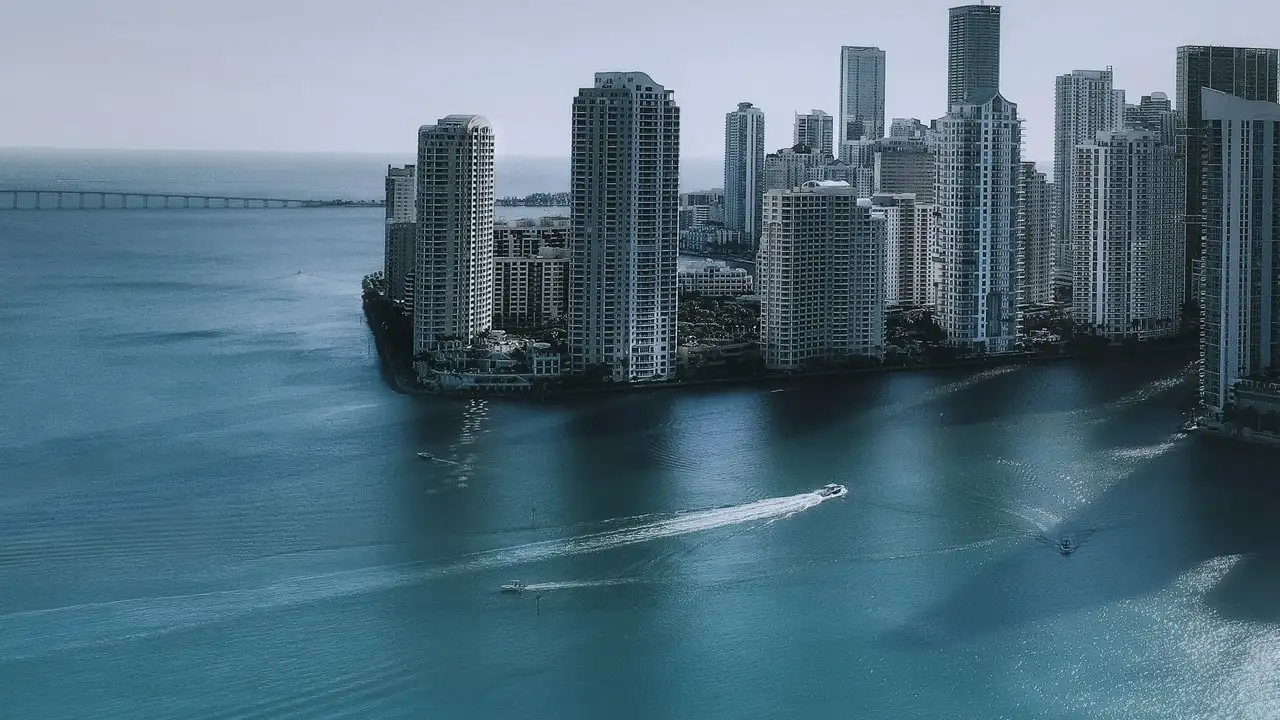
Florida specifics
What actually gets in the way here
These are conditions particular to this market. If they were true everywhere, they would not be worth a page.
- Statewide campaigns buying the cheapest available traffic
- Click costs differ by more than double across Florida metros. One budget and one bid strategy across all of them systematically over-buys in cheap markets and gets outbid in valuable ones.
- No reserve for storm-driven demand
- Storm-adjacent demand spikes within days at elevated cost. Accounts on a fixed monthly budget with a normal approval cycle miss the window entirely.
- Spanish-language demand left uncontested
- South Florida Spanish-language commercial queries carry real volume with thinner competition and frequently lower costs, and most accounts do not run them at all.
Our approach
How we run google ads in Florida
The same four stages we run everywhere, applied to this market's conditions. The sequence matters more than any individual tactic.
- 01
Audit measurement first
Before touching bids we verify what is being counted as a conversion and whether it is accurate. We frequently find accounts optimising toward page views, duplicate conversions, or calls that include every eight-second wrong number.
- 02
Structure, negatives and destination
Campaign structure rebuilt to match budget and conversion volume, a real negative keyword foundation established, and landing page alignment fixed. This is the phase that produces most of the early efficiency gain.
- 03
Bidding strategy and learning period
Automated bidding introduced once tracking is trustworthy and conversion volume supports it, with a stated learning period during which we do not make changes that reset it. Where volume is too low, we say so and bid manually.
- 04
Iterate on qualified-lead cost
Ongoing search term review, ad testing, budget reallocation across campaigns, and offline conversion feedback where available — all judged against cost per qualified lead rather than platform-reported conversions.
Local tip
Build and pause your storm campaigns in May, and agree in advance who can release the reserve budget. The businesses that capture storm demand are the ones where that decision does not need a meeting.
How we would measure it
Cost per qualified lead reported per metro and per language against one shared conversion definition, with storm campaign performance measured against the pre-built baseline rather than assessed for the first time during an event.
Proof
What we can stand behind
One documented client result, plus the market data explaining the conditions google ads operates in. Each figure is labelled with what it is.
- of Google queries now return an AI Overview
- 40%+ of Google queries now return an AI Overview HubSpot, 2026
- fewer businesses shown in AI-generated local packs than classic map results
- 68% fewer businesses shown in AI-generated local packs than classic map results Industry research, 2026
- of "near me" searchers visit a business within 24 hours
- 76% of "near me" searchers visit a business within 24 hours Shopify Local SEO Statistics, 2026
- better conversion from fully optimised Google Business Profiles
- 1.8x better conversion from fully optimised Google Business Profiles Whitespark, 2026
The 84% figure is a documented result for a single client, not a projection of typical performance in this market. The figures beneath it are published market statistics from the sources named, included because they explain the environment rather than because they are our results.
Nearby markets
Google Ads in markets adjacent to Florida
Adjacent markets are not interchangeable — each of these pages is written around that market's own competitive conditions.
- Google Ads in St. Petersburg, FL St. Petersburg, Gulfport, Pinellas Park View
- Google Ads in Tampa, FL Tampa, Temple Terrace, Brandon View
- Google Ads in Georgia Atlanta, Savannah, Augusta View
- Google Ads in Texas Houston, Dallas, Austin View
- Google Ads in California Los Angeles, San Francisco, San Diego View
- Google Ads in Illinois Chicago, Naperville, Aurora View
- Google Ads in New York New York City, Buffalo, Rochester View
Related services here
What usually runs alongside this in Florida
- Landing Page Design in Florida One promise, one action, message-matched to the ad that sent the click — and instrumented so you learn something. View
- Social Media Ads in Florida Demand-generation campaigns where the creative does the targeting and the offer does the qualifying. View
- PPC Management in Florida One operator across every paid channel, allocating budget on evidence rather than on which platform had a good month. View
See all 11 services in Florida
Questions
Google Ads in Florida, answered
Ask us directly
Why should Florida campaigns be split by metro rather than run statewide?
Because Florida's internal variation is larger than the difference between many states, and a shared budget cannot accommodate it. Cost per click for equivalent intent can differ by more than double between Miami and Jacksonville, so a single statewide budget with one bid strategy systematically buys more of the cheap traffic and gets outbid where the expensive traffic is — meaning you accumulate volume in your least valuable markets. The seasons compound it: Southwest Florida peaks with winter residents, Orlando tracks tourism with holiday spikes, and North Florida barely moves, so flat statewide pacing is wrong for every region simultaneously. The genuine exception is a very small budget, where splitting into four campaigns starves each of the conversion volume bidding needs — in which case concentrating on one metro and winning it is the better call.
How should we structure paid search for hurricane season?
With campaigns already built and paused, and a reserve budget that can be released within a day. Storm-adjacent demand — roofing, water damage restoration, tree services, generators — spikes within days of a named event with auction costs rising sharply, and an account that has to build campaigns, write ads and get budget approved during that window will miss most of it. What should exist before the season: the campaigns constructed and paused, landing pages live and tested, conversion tracking verified, and an agreed reserve with a decision-maker who can release it without a normal approval cycle. During the event the work is pacing and search term monitoring rather than construction. This is unglamorous preparation done in June for something that may not happen, and it is the difference between capturing the window and watching it.
Are Spanish-language campaigns worth running in South Florida?
Frequently yes, and they are one of the better-value opportunities in Florida paid search. Spanish-language commercial queries carry substantial volume across Miami-Dade and Broward, competition for them is markedly thinner than the English equivalents, and cost per click is often lower as a result — so the cost per qualified lead can come in well below the English campaign. The requirement is that the whole path has to be genuinely Spanish: keyword research done directly rather than translated, because people search in the language they think in using constructions that do not map from English; ads written natively; and a landing page written rather than translated, since a translated destination reads as translated and undermines the trust it was built to create. Half-implementing this — Spanish ads pointing at an English page — is worse than not running it.
How do we compare performance across Florida metros fairly?
With one conversion definition applied everywhere and results reported per metro rather than blended. The common failure is each metro campaign counting something slightly different as a conversion, which makes the comparison meaningless and usually flatters whichever market has the loosest definition. Once definitions are consistent, report cost per qualified lead per metro alongside the volume available in each — because a market with a higher cost per lead may still be worth more budget if it has more addressable demand, and a cheap market can be genuinely exhausted. We also separate seasonal comparisons, since comparing Orlando in March to Jacksonville in March tells you about the season as much as the market. Year-over-year comparison per metro is the honest view.
Coverage area
Serving Florida and Surrounding Neighborhoods
Our team works from St. Petersburg, FL, and covers Florida alongside the surrounding communities below.
Neighborhoods and communities we cover
- Downtown Tampa
- Downtown St. Pete
- Winter Park (Orlando)
- Brickell (Miami)
- Riverside (Jacksonville)
- Las Olas (Fort Lauderdale)
Zip codes served
- 33602
- 33701
- 32801
- 33101
- 32202
- 33301
Find out what your account is actually optimising toward in Florida
Send us access and we will audit your conversion tracking, search terms and structure, then tell you what your real cost per qualified lead is. It is frequently not the number in the dashboard.
7901 4th St N, Ste 300, St. Petersburg, FL 33702